Sustainability
Helping you create with people and planet in mind
As a GOTS-certified factory, we strictly follow environmental and social standards, ensuring the organic integrity of our products.
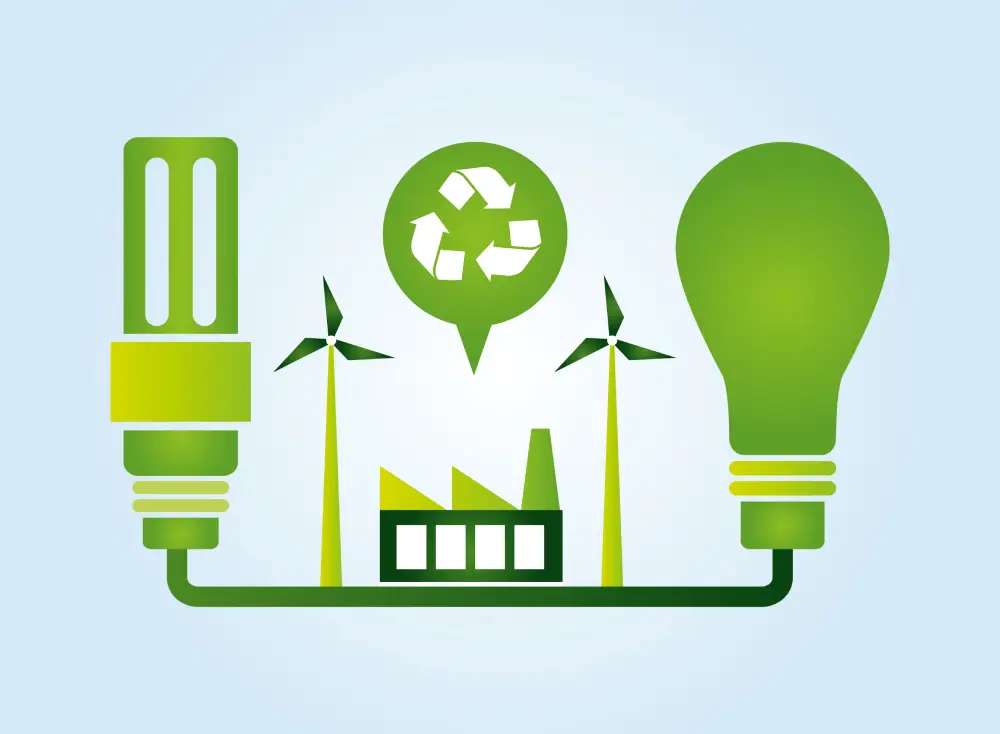
- Replacing old sewing machines and equipment with energy-efficient models that use less power.
- Optimizing Lighting
- Transition to LED lighting in production areas, warehouses, and offices. (80% right now 95% by end of 2025)
- Transitioning to solar power to reduced energy costs by 20% by 2025.
- Wind energy to power factory to receive renewable sources ( We are utilizing IREC 240 MWh/ year)
- Plan to Implement Energy Management Systems (EMS)
- EMS to monitor energy consumption in real-time, identify inefficiencies, and optimize usage. Analyze data to track performance and set energy- saving targets.

Our commitment to sustainability is reflected in our diverse range of eco-friendly fabrics, including:
- Recycled cotton
- Recycled polyester
- EcoVero™ viscose
- Regenerated cotton-poly blends
- Pineapple fruit fibre
- Bamboo fibres sourced from Northeast India
- We use natural fruit and vegetable dyes for our garment-dyed samples, significantly reducing power and water consumption during the dyeing process.
- These practices help us minimize environmental impact while delivering high-quality, sustainable garments to our clients.

Few indicatives we follow as a factory:
- Upgrading machinery with energy-efficient sewing machines to reduce power consumption
- Optimizing lighting by switching to LED in production, warehouse, and office areas (80% completed; target 95% by end of 2025).
- Adopting solar energy to cut energy costs by 20% by 2025.
- Using wind energy through IREC certificates (240 MWh/year) to power factory operations with renewable sources.
Implementing an Energy Management System (EMS) to:
- Monitor real-time energy consumption
- Identify inefficiencies
- Optimize energy usage
- Set and track energy-saving goals